The Challenge: Steel bearings suffer from galling, heavy centrifugal loads at high RPMs, and electrical arcing in EV motors.
Solution: G5 – G20 Precision Si₃N₄ Bearing Balls. 60% lighter than steel, they drastically reduce centrifugal force and friction. They are electrically insulating (preventing current pitting) and require minimal to zero lubrication, doubling the lifespan of high-speed spindles and wind turbine gearboxes.
The Challenge: Standard steel or alumina welding locating pins wear out quickly and suffer from weld spatter adhesion, causing continuous downtime for cleaning and replacement.
Solution: Si₃N₄ Welding Centering Pins. With immense fracture toughness to survive mechanical impacts and high electrical resistivity, weld spatter simply cannot stick to its surface. A single ceramic pin can outlast standard steel pins by 10 to 50 times.
The Challenge: Molten aluminum and zinc violently corrode and wet standard metal components, leading to rapid degradation and metal contamination.
Solution: Thermocouple Protection Tubes, Riser Tubes & Heater Tubes. Silicon Nitride is naturally non-wetting to molten non-ferrous metals. Combined with its extreme thermal shock resistance, it can be repeatedly immersed into 1000°C molten baths without pre-heating and without cracking.

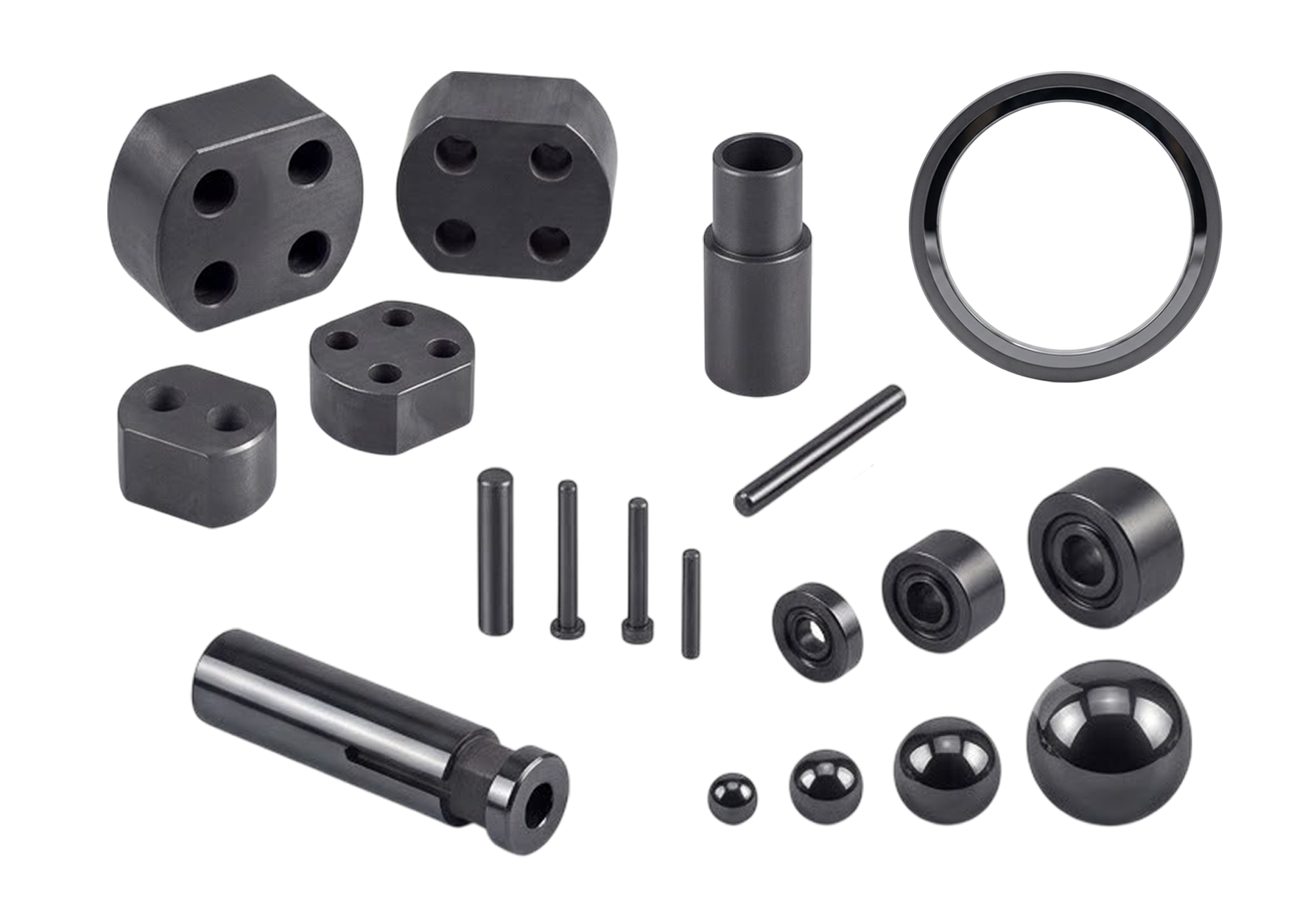
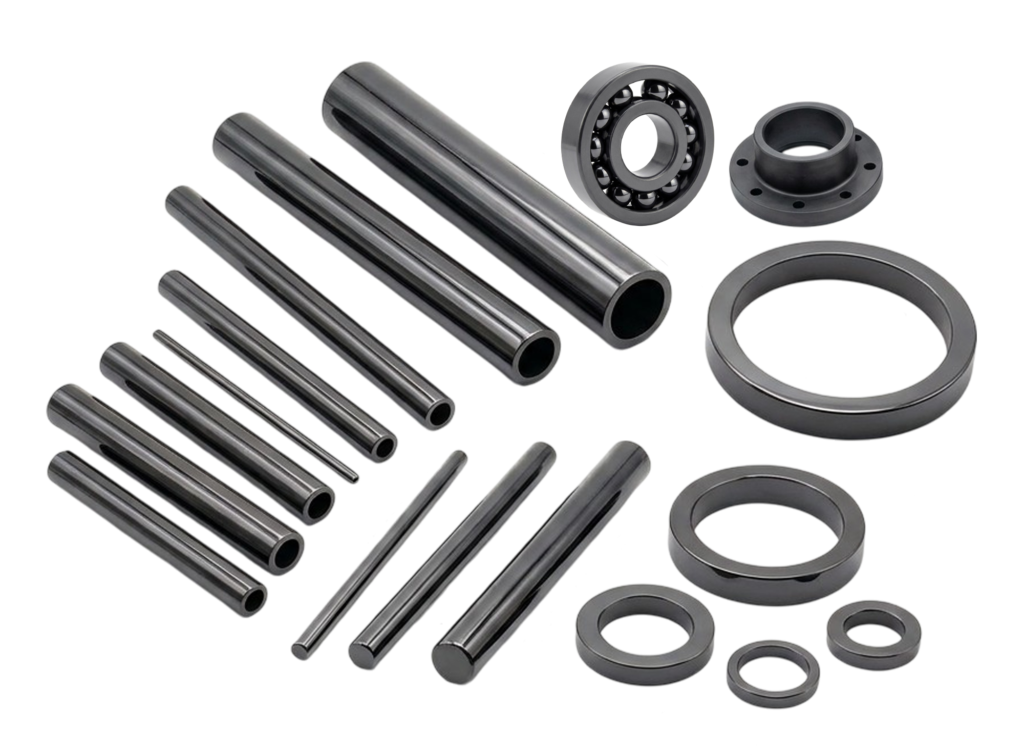
 Grinding & Honing: Precise outer/inner diameter control up to ±0.002 mm.
 Mirror Polishing: Surface finishes down to Ra 0.02 μm for low-friction sealing and bearing applications.
 Complex Geometries: Custom threading, counterbores, and multi-axis slots based strictly on your 3D CAD files.